

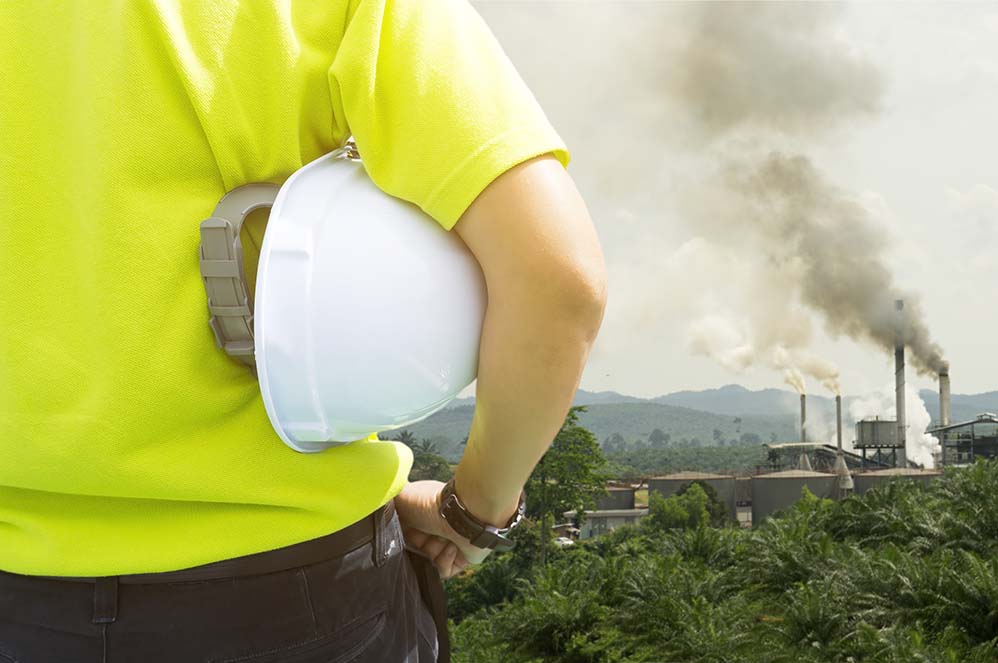
EPA Method 9 and Method 22 are both used to evaluate visible emissions, but they are not interchangeable. Method 9 provides quantitative opacity readings used for regulatory compliance, while Method 22 is a qualitative observation method used to determine the presence of visible emissions.
Understanding the distinction is critical for selecting the correct method, maintaining compliance, and ensuring observations are defensible.
What Is EPA Method 9?
EPA Method 9 is the standard method for determining the opacity of emissions from a source using a trained and certified observer. Opacity is expressed as a percentage, representing the degree to which emissions reduce the transmission of light.
Standard opacity readings consist of 24 observations (a glance at the stack) over a 6-minute period, recording opacity at set intervals. These readings are then averaged to determine compliance with applicable opacity limits.
Method 9 is referenced under 40 CFR Part 60 Appendix A and is commonly required for:
- Compliance demonstrations
- Enforcement actions
- Permit conditions specifying opacity limits
What Is EPA Method 22?
EPA Method 22 is a qualitative procedure used to determine the presence or absence of visible emissions, rather than measuring opacity. Observers record whether emissions are visible during a specified observation period, without assigning a percentage.
Method 22 is frequently used for:
- Fugitive emissions monitoring
- Leak detection and operational checks
- Situations where no opacity standard is specified
Because it does not require opacity quantification, Method 22 is generally less resource-intensive and can be conducted without formal certification.
Key Differences: Method 9 vs Method 22
| Feature | Method 9 | Method 22 |
|---|---|---|
| Measurement Type | Quantitative (opacity %) | Qualitative (visible / not visible) |
| Certification Required | Yes (certified observer) | No |
| Standard Observation Duration | 6-minute readings | Varies |
| Primary Use | Compliance and enforcement | Screening and monitoring |
| Emission Type | Point source emissions | Fugitive emissions |
| Data Output | Defensible numerical data | Observational record |
When to Use Method 9
Method 9 should be used when regulations or permits specify opacity limits that must be quantified. It is the appropriate method for:
- Demonstrating compliance with opacity standards
- Supporting enforcement or regulatory reporting
- Situations requiring defensible, numerical data
Because Method 9 results are used in regulatory decisions, observer accuracy and certification are essential.
When to Use Method 22
Method 22 is best suited for situations where the goal is to detect and document the presence of emissions, rather than measure their opacity. Common applications include:
- Monitoring fugitive emissions sources
- Identifying potential compliance issues before formal testing
- Routine operational checks
It is often used as a screening tool that may trigger further evaluation using Method 9 if emissions are observed.
Regulatory Context
Both methods are defined by the EPA, but their applicability depends on facility permits, regulatory requirements, and emission source type.
- 40 CFR Part 60 Appendix A governs opacity determination
- Method 22 is typically referenced in fugitive emissions standards and site-specific permits
Selecting the incorrect method can lead to non-compliant monitoring practices or insufficient documentation.
Training and Certification Considerations
Method 9 requires successful completion of a visible emissions certification program (smoke school) to ensure observers can accurately estimate opacity.
While Method 22 does not require certification, training improves:
- Observation consistency
- Documentation quality
- Overall defensibility of findings
CAA's online visible emissions course has a Method 22 section for training new observers and as a refresher tool.
Key Points
The main takeaways between Method 9 and Method 22 are simple but critical:
- Method 9 measures how much emissions obscure light.
- Method 22 determines whether emissions are visible at all.
Choosing the correct method ensures compliance, improves data quality, and supports defensible environmental reporting.
Questions or Next Steps?
If you have questions about Method 9 or Method 22 training, or which approach applies to your facility, contact Compliance Assurance Associates, Inc. at info@compliance-assurance.com or 901-381-9960.
Author
Compliance Assurance Associates, Inc. (CAA) is a recognized provider of visible emissions evaluator training and certification, including EPA Method 9 smoke school and Method 22 training. CAA's programs are built around regulatory accuracy, defensible observations, and helping facilities understand the compliance standards behind visible emissions monitoring.